From Open Qualifiers to LAN Finals: How Underdog Teams Climb in BGMI Esports
Every season, the same beautiful thing happens in Indian BGMI: a squad nobody has heard of — no org, no fanbase, no blue tick — comes out of the open qualifiers and starts beating established names. Fans call them underdogs. Analysts call them variance. But look closely and you’ll find it’s not luck at all — it’s a repeatable pattern. This is the anatomy of an underdog run.
Note: this article is about the phenomenon and the playbook, told in general terms from what past seasons have shown. Team fortunes change every season — the patterns below are the durable lessons.
Why Underdog Runs Keep Happening in BGMI Esports
Three structural reasons the BGMI circuit keeps producing surprise stories:
- The qualifiers are truly open. BGIS in-game qualifiers don’t care about your follower count. The lobby is the most honest place in esports — points don’t know who you are.
- The player base is enormous. With lakhs of registered squads, statistical reality says elite talent exists far beyond the known orgs. The qualifiers are a discovery mechanism.
- The meta rewards discipline. BGMI’s points system (placement + finishes) means a well-drilled unknown squad can outscore a sloppy famous one. The game doesn’t grade on reputation.
The Five Patterns Behind Every BGMI Underdog Run
Study the surprise packages of past seasons and the same five traits appear:
1. Placement-First Religion
Underdogs don’t win shootouts against established fraggers — so they don’t take them. Their matches are boring to watch and beautiful on the scoresheet: top-6 after top-6, built on clean landings, early rotations, and refusing every 50-50 fight. While big names trade kills and die 11th, the underdogs bank placement points like a savings account.
2. One IGL, Total Buy-In
Unknown squads that make runs always have a clear shot-caller and — critically — teammates who actually follow the calls. No debates mid-rotation, no hero plays. This discipline is easier for underdogs: with no egos and no streaming personas to protect, the squad plays like a unit.
3. Anti-Scouting Advantage
Nobody has VODs on you. Nobody knows your drop spots, your rotation timings, your weak map. For the first few rounds, underdogs are ghosts — and by the time analysts compile dossiers, the run is already deep. Smart underdog IGLs exploit this by varying drops early, staying unpredictable while it lasts.
4. Loose Shoulders, Heavy Favourites
Psychology is real. The famous team expects to qualify — every bad match is pressure. The unknown squad expects nothing — every good match is house money. Underdogs play freer, take smarter risks, and don’t tilt, because they have nothing to lose and everything to gain.
5. Systems Over Stars
The deepest underdog runs share one trait: drilled, repeatable routines. Same drop protocol every match. Same rotation timing rules. Same utility discipline. When pressure hits in a playoff lobby, stars improvise (and sometimes choke) — systems execute.
The Three Acts of a BGMI Esports Underdog Story
Act 1: The Quiet Qualifier. Nobody notices. The squad grinds through in-game qualifiers with consistent top-8s. Maybe a caster mentions “an interesting unknown squad” in passing.
Act 2: The Statement Round. Playoffs or semifinals. The underdogs take a match off a big name — a clean WWCD against a famous org — and suddenly the community is asking “wait, who ARE these guys?” Clips go viral. The fanbase starts forming in real time.
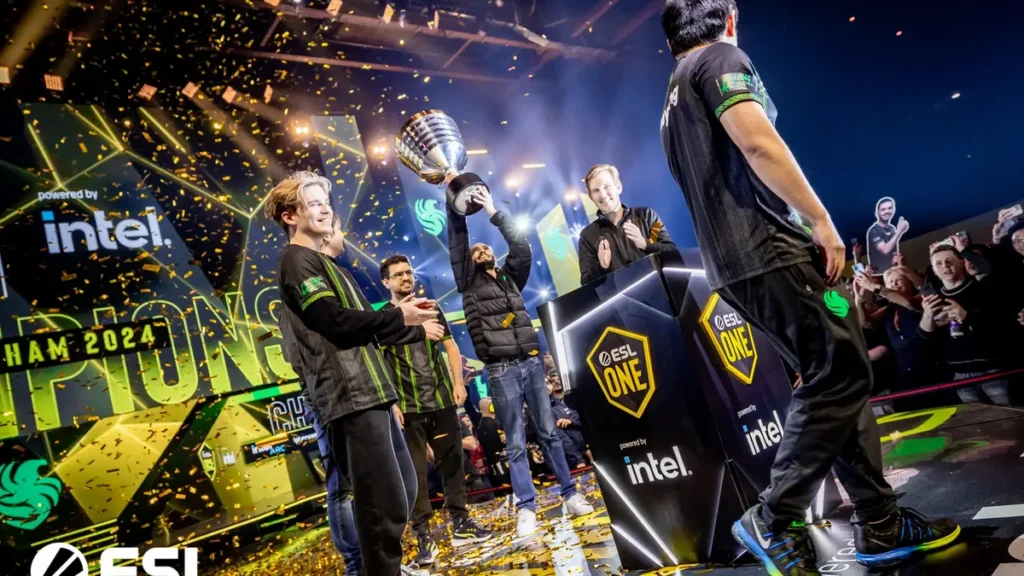
Act 3: The LAN Test. The bright lights, the crowd, the stage PCs. This is where most underdog runs end — not from lack of skill, but from lack of LAN reps. The squads that survive Act 3 are the ones that treated Act 1 and 2 as preparation, not as the achievement.
Why Most Underdog Runs End in BGMI Esports
The graveyard of underdog stories has familiar headstones:
| Killer | What happens | Antidote |
|---|---|---|
| LAN inexperience | Stage pressure destroys decision-making | Play every local LAN possible beforehand — even tiny ones |
| Ego inflation | Viral fame mid-run; players start playing for clips | IGL enforces the system; social media waits until after |
| Roster poaching | Big orgs approach your players mid-tournament | Agree beforehand: no transfer talk during the event |
| Anti-scouting caught up | Rivals study your VODs and counter your drops | Have backup drops and a Plan B rotation set ready |
| Burnout | The emotional high of the run crashes | Scheduled rest, normal sleep — treat it like a job, not a miracle |
The Underdog Playbook: Your Squad’s Blueprint
If you’re an unknown squad with dreams, here’s the distilled system:
- Master the qualifier format. Placement-first, every match, no exceptions. (Read our BGIS qualifier scoring guide.)
- Drill two drops per map — a primary and a backup. Practice both until they’re automatic.
- Appoint one IGL and commit. Six months minimum, no mid-season shot-caller swaps.
- Record everything. Your VODs are your scouting defence and your highlight portfolio.
- Play local LANs now. Don’t let a big stage be your first stage.
- Stay ghost as long as possible. Don’t announce your drops, don’t stream scrims, don’t feed the analysts.
- Protect the roster. Written agreements before the season: no poaching talks mid-event, commitment through the season.
Why Underdog Stories Matter Beyond the BGMI Fairytale
Underdog runs aren’t just feel-good stories — they’re the health metric of the whole ecosystem. A circuit where only the same eight orgs ever succeed is a dying circuit. Every unknown squad that breaks through proves the ladder works, inspires ten more squads to try, and keeps the scene honest.
So the next time a no-name squad is sitting top-4 in a semifinal lobby and the chat is spamming “who?”, remember: they’re not a fluke. They’re the system working exactly as designed. And with the blueprint above, the next “who?” could be you.
Conclusion
Every underdog run in BGMI esports follows the same patterns — and that means your squad can follow them too. Most runs end because teams stop doing what got them there, not because the fairytale was impossible. Play your game, trust the blueprint, and write your own three acts.
FAQ
Have unknown teams really reached BGIS LAN finals?
Yes — open qualifiers have repeatedly produced squads that went from total obscurity to playoff and final stages. It’s a defining feature of the BGIS format.
What’s the biggest advantage underdogs have?
The combination of no-pressure psychology and anti-scouting invisibility in early rounds — plus a points system that rewards discipline over reputation.
Do underdog players get signed after a good run?
Often, yes — breakout qualifier and playoff performances are prime scouting territory for orgs. This is why recording VODs matters.
Can a full underdog roster win a major?
Winning the whole thing from nowhere is extremely rare — the final stages favour experience and LAN-tested systems. But deep runs happen regularly, and deep runs change careers.
How do I follow underdog stories each season?
Watch the BGIS qualifier and semifinal broadcasts (not just the finals), follow community casters who cover early rounds, and keep an eye on qualifier standings — that’s where the stories start.
Disclaimer: BuzzGamers is an independent, fan-run website and is not affiliated with or endorsed by Krafton, Inc. or Battlegrounds Mobile India. All game names, marks and images belong to their respective owners.