
BGMI Weapon Balance Changes Explained: How to Read Every Patch Like a Pro
What changed in 30 seconds: Weapon balance patches tweak numbers like damage, fire rate, and recoil to keep the game fair and fresh. This guide teaches you what each stat actually does, how to read before/after tables, and how to adjust your loadout — so you never feel blindsided when the meta shifts.
Contents
– What “weapon balance” actually means
– The five stats that matter
– How to read a before/after table
– Which stats matter for which playstyle
– How the meta shifts after a patch
– Quick Q&A
What “Weapon Balance” Actually Means in BGMI Patch Notes
Every few updates, Krafton adjusts some weapons to stop one or two guns from dominating every lobby. That’s weapon balancing: small number changes that shift which weapons feel strong. A balance patch never makes a bad player good — but it can make your main gun feel slightly different, and it reshuffles which weapons the top players pick.
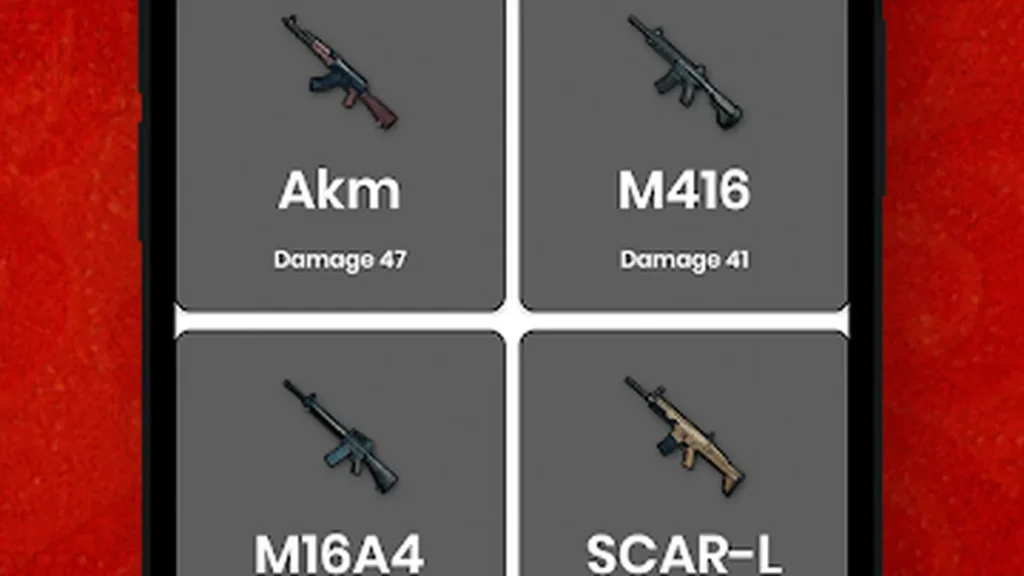
Balance changes usually arrive with major version updates (like 4.6), and they target guns that are either too strong (overused) or too weak (underused). The goal is variety: Krafton wants you debating whether to pick the M416 or the AKM, not automatically grabbing the same gun every game.
The Five Weapon Stats That Matter in BGMI Balance Patches
Forget memorizing every number. Understand what each stat feels like in-game:
Damage (per bullet). How much health each bullet takes. Higher damage = fewer bullets to kill. Matters most in close-range fights where you have less time to react.
Fire rate (RPM — rounds per minute). How fast the gun shoots. Combined with damage, this gives you time-to-kill (TTK) — how many milliseconds it takes to down an enemy with body shots. High RPM feels powerful up close but eats ammo fast.
Recoil (vertical + horizontal). How much the gun kicks when you fire. Vertical recoil pushes your crosshair up; horizontal recoil shakes it sideways. This is the stat that decides whether you can actually use the gun — a high-damage gun is worthless if you can’t control it.
Reload time. Longer reloads punish you in squad fights. Guns with fast reloads let you re-engage quicker.
ADS speed & spread. How fast you can aim down sights and how wide your bullets scatter. Fast ADS wins peek duels; tight spread wins spray fights at mid-range.
How to Read a BGMI Before/After Weapon Stat Table
Patch notes usually show changes like “Damage 41 → 43”. Here’s how to read them — with an illustrative example table below (this is a teaching example of HOW to read such tables, not official 4.6 numbers):
| Stat | Before (example) | After (example) | What it means for you |
|---|---|---|---|
| Damage | 41 | 43 | ~5% faster kills; one less bullet at some ranges |
| Fire rate | 700 RPM | 650 RPM | Noticeably slower spray; worse up close |
| Vertical recoil | — | +10% | Harder to control full sprays; attachments matter more |
| Reload time | 2.1s | 2.1s | Unchanged — nothing to adjust here |
How to use a table like this:
- Check the percentages, not just the raw numbers. A damage change of 41→43 looks small, but if it crosses a breakpoint (e.g., now 4 bullets instead of 5 to kill), it’s huge.
- Look at the combination. A gun that got +damage but −fire rate got a trade-off: stronger per bullet, weaker in spray speed. Its role changed, not just its power.
- Recoil changes are the most personal. Patch notes can say “+8% vertical recoil” but what matters is whether your hand can still control it. Always test in the training ground.
- “No change” matters too. If the notes don’t mention your gun, your gun didn’t change — don’t switch loadouts out of panic.
Which Weapon Stats Matter for Your BGMI Playstyle
Aggressive rushers (close range, hip-fire, fast pushes): Fire rate and damage rule. A small recoil nerf barely hurts you because your fights last less than a second.
Mid-range sprayers (M416-style players): Recoil and spread are everything. A buff to damage means nothing if the recoil buff/nerf changes your spray pattern — re-learn the pull-down.
Support/snipers (long range, scoped): Damage at range and bullet velocity matter. A damage falloff change (less damage at long distance) quietly kills a gun for snipers while rushers never notice.
Hip-fire / SMG players: ADS speed and hip-fire accuracy. If a patch tightens hip-fire spread, SMGs get stronger without a single damage change.
How the BGMI Weapon Meta Shifts After a Balance Patch
Here’s the pattern that repeats every balance patch:
- Week 1 — panic. Everyone switches to whatever got buffed. YouTube thumbnails scream “NEW BEST GUN.”
- Week 2–3 — testing. Good players discover the buffed gun still has weaknesses; the nerfed gun is still usable with the right attachments.
- Month 1 — the real meta. Usually 2–3 guns settle as the top picks, and they’re rarely exactly what week-1 hype predicted.
What to do instead of panicking: Play your main gun for a few days after any patch. Check whether you feel the difference. If your recoil control still works and your TTK feels fine, nothing about your game needs to change. Only switch if the gun genuinely feels worse in your hands — not because a streamer said so.
Conclusion
Reading BGMI patch notes like a pro comes down to five stats and knowing which ones fit your playstyle. Once you can decode a before/after table, every balance patch becomes a chance to adapt before the meta shifts. Bookmark this guide and revisit it with each update.
FAQ
Q: Do balance changes apply to all modes?
A: Yes — weapon stats are the same in Classic, themed mode, and TDM. Map loot rates can differ, but the gun itself behaves identically.
Q: Where do I find the official weapon changes for 4.6?
A: In the in-game announcements and the official patch notes on BGMI’s channels. Any site listing exact damage numbers should say where they came from — if it doesn’t, treat them as estimates.
Q: My main gun got nerfed. Should I switch?
A: Test it first in the training ground. Most nerfs are 5–10% tweaks; if you can still control the recoil and win your usual fights, keep it. Switching guns costs you weeks of muscle memory.
Q: What does “TTK” mean?
A: Time-to-kill: how long it takes your bullets to down an enemy. It’s the real measure of a gun’s strength — damage × fire rate, adjusted for how many bullets you actually land.
Q: Do attachments change with balance patches?
A: Sometimes. Patches occasionally adjust grips, compensators, or stocks alongside weapons. If your spray suddenly feels different, check whether an attachment you use was also tweaked.
Disclaimer: BuzzGamers is an independent, fan-run website and is not affiliated with or endorsed by Krafton, Inc. or Battlegrounds Mobile India. All game names, marks and images belong to their respective owners.