
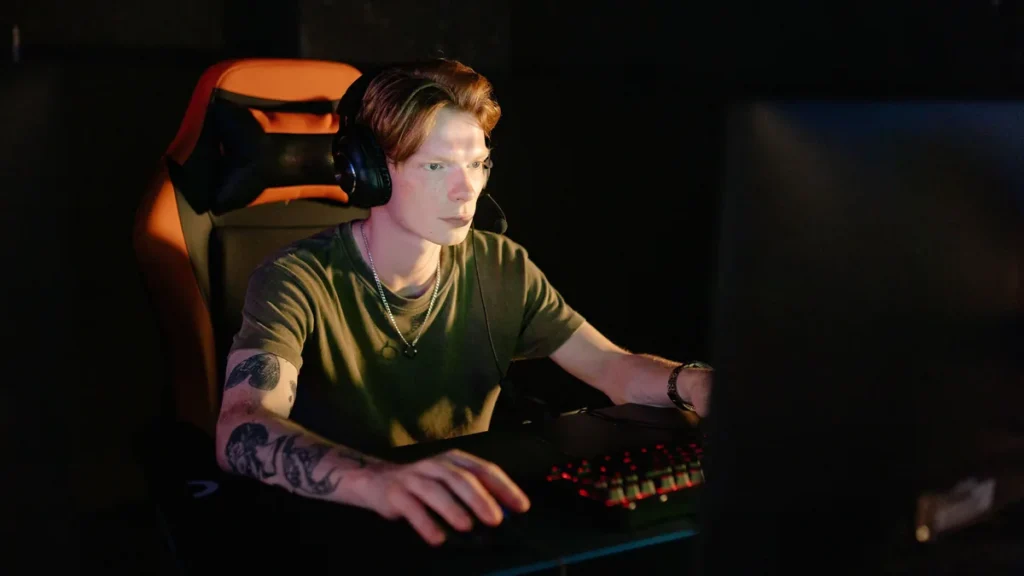
BGMI Women’s Esports: The Scene Nobody Talks About
Here’s an uncomfortable truth about BGMI esports: some of the most dedicated competitive players in the country compete in near-silence. The women’s BGMI scene has teams, tournaments, rivalries and storylines — but ask the average fan to name a single women’s roster and you’ll mostly get blank stares. This isn’t a story about a scene that doesn’t exist. It’s a story about a scene that exists and still gets treated like a footnote.
Where the BGMI Women’s Esports Scene Actually Plays
The women’s competitive circuit in BGMI runs largely parallel to the main open circuit. Krafton has, at various points, supported all-women tournaments and qualifiers, and third-party organisers — the same ecosystem that runs the countless community and semi-pro events feeding the open scene — regularly host women’s-only competitions. These range from small community cups to larger branded events with genuine prize money.
The format will feel familiar to anyone who follows BGMI esports: squads, points-based standings across multiple maps (Erangel, Miramar, Sanhok, Vikendi in rotation), qualifiers feeding into finals. The competition is real and often fierce — anyone who has watched a women’s final will tell you the late-game zone fights are every bit as tense as the open circuit’s. The difference isn’t the quality of play. It’s everything around it.
The Structural Problems in BGMI Women’s Esports, Honestly Stated
Let’s not sugarcoat this. The women’s scene faces challenges that are structural, not talent-based.
First, slots. The path to the biggest stages — BGIS, BGMS, BMPS — runs through open qualifiers where women’s teams must compete against the full weight of the established male-dominated scene. In practice, very few all-women rosters break through, which means the dedicated women’s events become the ceiling rather than a stepping stone. A parallel circuit is better than nothing, but it can also become a comfortable box that nobody helps you climb out of.
Second, money. Prize pools for women’s events are a fraction of open-circuit equivalents. That matters enormously, because esports careers run on prize money and salaries. When the financial upside is small, fewer players can afford to go full-time, which means less practice time, which means slower improvement — a vicious cycle that has nothing to do with potential.
Third, visibility. Fewer broadcasts, less caster hype, fewer sponsor logos, less media coverage. In esports, visibility is opportunity: sponsors sign players fans recognise, and fans recognise players they see on stream. Breaking that cycle requires someone to invest first, before the audience is proven — and investors hate doing that.
The Women Players Who Keep Showing Up in BGMI
Despite all of this, the scene has its stalwarts — players and teams who have competed across multiple seasons, built genuine fan followings, and earned respect from the broader community. You’ll find their names on women’s tournament leaderboards, in community highlight reels, and increasingly in content creation, where several women BGMI players have built audiences that rival mid-tier open-circuit pros.
What’s striking is the grind mentality. Talk to anyone around the women’s circuit and you’ll hear the same thing: these players scrim daily, review their mistakes, and treat the game with complete seriousness. The commitment was never the problem. The infrastructure was.
What Would Actually Help BGMI Women’s Esports Grow
This is the part where vague “support women’s esports” sentiment needs to become concrete. Here’s what would move the needle:
Bigger, more consistent calendars. One-off women’s tournaments generate a weekend of buzz and then nothing. A regular season — even a modest one — gives teams something to build around, sponsors something to attach to, and fans a reason to follow storylines.
Broadcast investment. Put women’s finals on proper broadcasts with real casters, not as an afterthought stream. Production value signals legitimacy to sponsors and audiences alike.
Mixed pathways, not just parallel ones. The healthiest long-term outcome isn’t a permanently separate women’s circuit — it’s women’s teams strong enough to qualify through open brackets. That means developmental support: bootcamps, coaching access, and scrim opportunities against top open-circuit teams.
Sponsor courage. Brands need to back women’s rosters before the metrics are perfect. The orgs that do it early will own the narrative when the scene breaks through.
What the BGMI Women’s Scene Means for Aspiring Players
If you’re a fan, the ask is simple: watch. Follow a women’s team. Show up in their chats. Tournament organisers and sponsors track viewership numbers obsessively, and every viewer is a data point arguing that this scene deserves investment. You don’t need to be an activist about it — just be a fan. Fandom is the currency.
If you’re a young woman who plays BGMI and wants to compete, know this: the scene is small but welcoming, the competition is genuine, and the door is open. Find women’s community tournaments, build a squad, and start playing. Every established player in the scene started exactly where you are.
What’s Next for Women’s Esports in BGMI
At the time of writing (October 2026), the women’s circuit continues to run on the dedication of its players, a handful of committed organisers, and Krafton’s periodic support. The big question for 2027 is whether any major organiser commits to a proper women’s season rather than isolated events — that single decision would change the economics of the scene overnight. Until then, the players keep grinding in the quiet. They deserve better than quiet.
Frequently Asked Questions
Are there official women’s BGMI tournaments?
Yes. Krafton has supported all-women tournaments and qualifiers at various points, and third-party organisers regularly run women’s-only events. However, there is no permanent, year-round official women’s league as of October 2026.
Why don’t women’s teams just play in the open qualifiers?
They can — the qualifiers are technically open. But breaking through against established tier-1 organisations with full-time rosters and years of LAN experience is extremely difficult, which is why dedicated women’s events exist as a competitive home.
Who are the top women’s BGMI players?
The scene has several well-known competitors who appear consistently on women’s tournament leaderboards and have built strong content followings. Rosters shift between seasons, so check recent women’s event results rather than relying on old names.
How can I join the women’s competitive scene?
Start with community women’s tournaments — they’re regularly announced on BGMI community pages and Discord servers. Build a squad, play consistently, and work your way up to bigger qualifiers.
Is the women’s scene growing?
Slowly but genuinely. Each season brings deeper qualifier pools and slightly more visibility. What’s missing is structural investment — a proper season, real broadcasts, and sponsor commitment — which would accelerate everything.
Conclusion
The BGMI women’s esports scene is small but full of players who refuse to quit — and it deserves far more attention than it gets. Structural support, not just praise, is what will actually help it grow.
Disclaimer: BuzzGamers is an independent, fan-run website and is not affiliated with or endorsed by Krafton, Inc. or Battlegrounds Mobile India. All game names, marks and images belong to their respective owners.